
After a long day, there’s nothing that hits the spot quite like the comforting embrace of a truly satisfying handheld meal. Enter Korean Chicken Bao Buns—a delicious fusion that has the power to elevate any dinner from mundane to magnificent. Picture this: pillowy soft buns filled with tender, spicy-sweet Korean-style chicken, enhanced by crisp veggies and a sprinkle of sesame seeds. The first bite is a heavenly contrast of flavors and textures that will have your taste buds dancing.
I was inspired to whip these up one evening when I craved something comforting yet exciting. The combination of gooey, glazed chicken and fresh herbs ignited a flavor explosion that quickly made these buns a staple in my kitchen. Whether you’re looking to impress guests or simply want a delightful weeknight dinner, these bao buns are the ticket to a fantastic meal that’s as easy to make as it is memorable. Grab your ingredients, and let’s dive into this delicious world of Korean fusion!
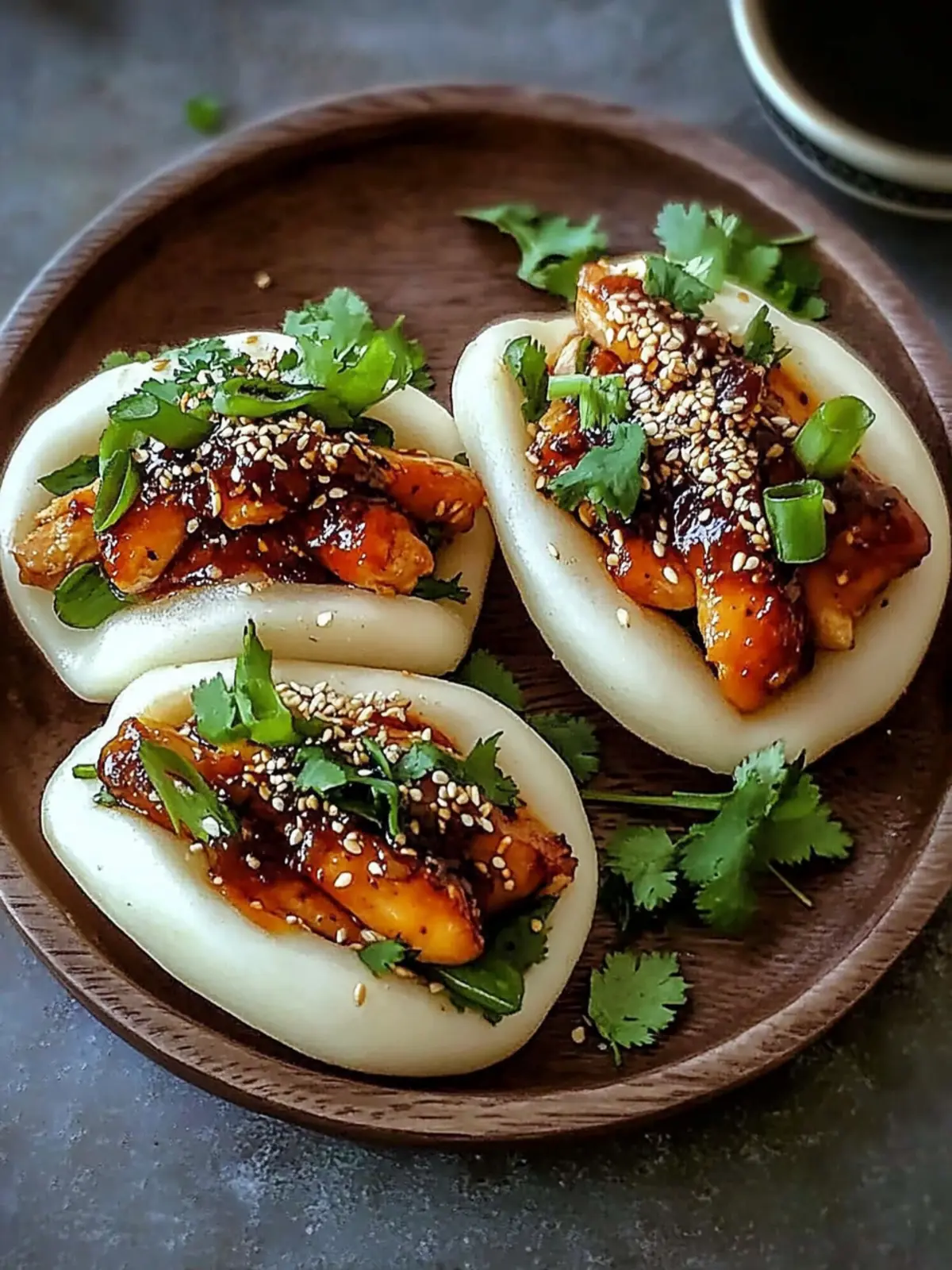
Why are Korean Chicken Bao Buns a must-try?
Fluffy, these bao buns are not only easy to make but also offer a delightful comfort that can satisfy any craving. Flavor-packed, they bring together savory Korean-style chicken with fresh veggies, creating a taste sensation in every bite. Versatile, you can switch up the toppings to suit any palate or occasion. Ideal for busy weeknights, this recipe comes together quickly without compromising on taste or presentation—perfect for impressing guests or treating yourself! If you’re interested in more quick and delicious ideas, check out our handheld meal recipes.
Korean Chicken Bao Buns Ingredients
• Get ready to create magic in your kitchen with these flavorful buns!
For the Chicken Filling
- Boneless Chicken Thighs – Provides a juicy and tender filling; chicken breasts can be used but may dry out more easily.
- Gochujang (Korean chili paste) – Adds spiciness and depth; for milder flavor, reduce the amount or mix with more honey.
- Soy Sauce – Enhances umami flavor; tamari can be a gluten-free substitute.
- Honey – Sweetens and balances the savory notes; brown sugar can be used as an alternative.
- Garlic (minced) – An aromatic component that deepens flavor.
- Ginger (grated) – Adds warmth and spice.
For the Bao Buns
- Bao Buns – The soft and fluffy base of the dish; store-bought or homemade can be used.
For the Toppings
- Cucumber (thinly sliced or pickled veggies) – Offers freshness and crunch in each bite.
- Green Onions (chopped) – Enhances flavor with a mild onion taste.
- Fresh Cilantro Leaves – Adds brightness and herbal notes.
- Toasted Sesame Seeds – Provides a nutty flavor and an appealing garnish.
Let’s fire up those taste buds and prepare to enjoy these Korean Chicken Bao Buns!
How to Make Korean Chicken Bao Buns
-
Mix the Marinade: In a bowl, combine gochujang, soy sauce, honey, minced garlic, and grated ginger. Add the boneless chicken thighs, ensuring they’re well coated, and let them marinate for 30 minutes to 4 hours to absorb all those delicious flavors.
-
Cook the Chicken: Heat a non-stick skillet or wok over medium-high heat. Once hot, add the marinated chicken and cook, flipping occasionally, until it caramelizes and becomes sticky—about 10-15 minutes. Slice the chicken into bite-sized pieces for easy filling.
-
Steam the Bao Buns: While the chicken is cooking, steam the bao buns according to package instructions or your homemade recipe. They should be fluffy and warm after around 10 minutes of steaming.
-
Assemble the Buns: Gently open each bao bun and fill it with the sticky chicken pieces. Top with fresh cucumber slices, cilantro leaves, chopped green onions, and a sprinkle of toasted sesame seeds for added crunch and flavor.
-
Serve and Enjoy: Place the filled bao buns on a platter and serve warm for the best texture and flavor. Enjoy immediately for an unforgettable meal experience!
Optional: Drizzle with extra gochujang sauce for an added kick!
Exact quantities are listed in the recipe card below.
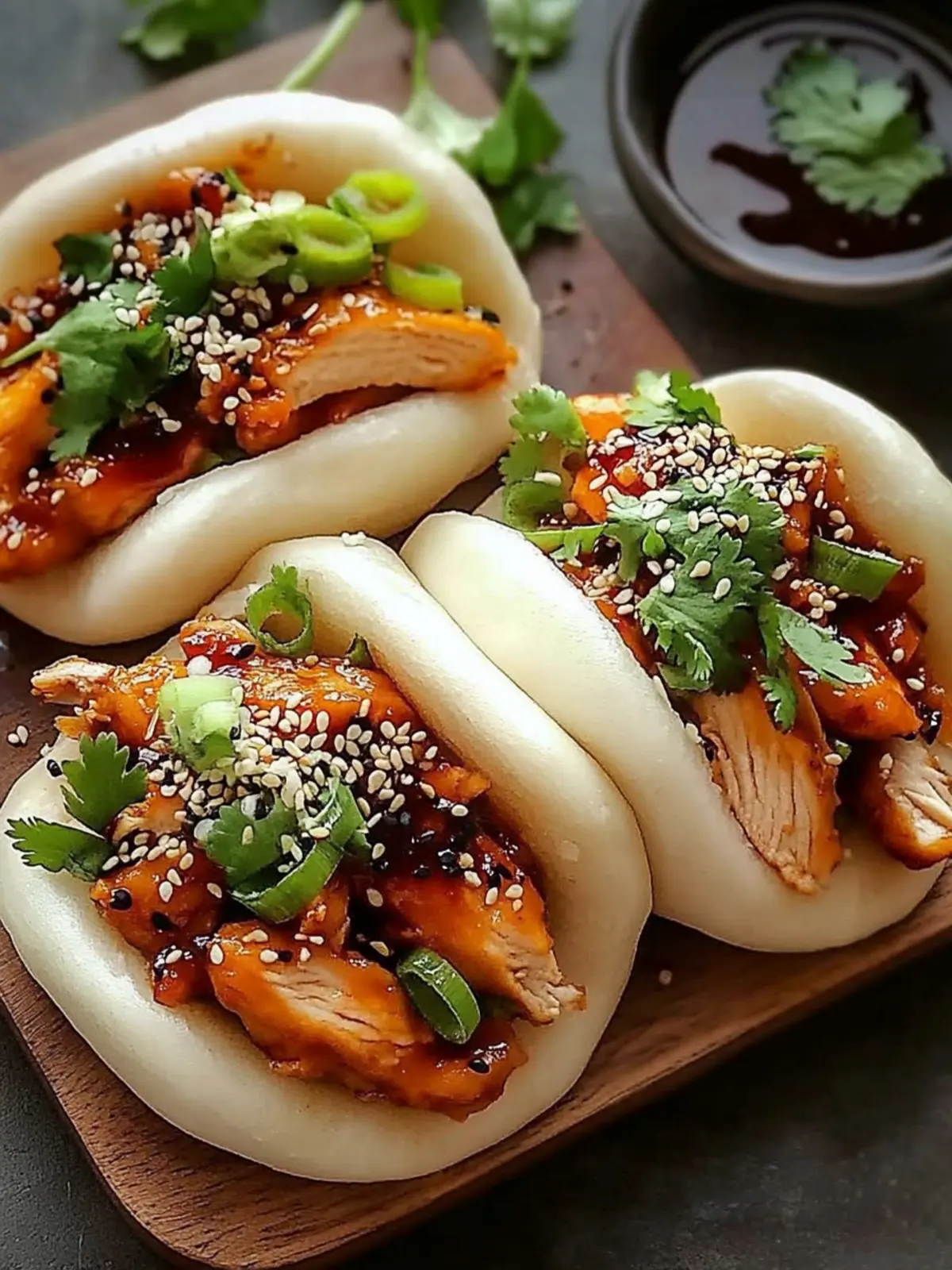
Make Ahead Options
Korean Chicken Bao Buns are perfect for meal prep, allowing you to enjoy delicious flavors without the last-minute rush! You can marinate the boneless chicken thighs up to 24 hours in advance, which enhances the flavor and tenderness. Simply combine gochujang, soy sauce, honey, garlic, and ginger with the chicken, then refrigerate. The cooked chicken can be stored in an airtight container for up to 3 days, while bao buns can be kept in the fridge and gently re-steamed to restore their fluffy texture right before serving. Just assemble the buns with your favorite toppings just before mealtime to keep everything fresh and delightful!
How to Store and Freeze Korean Chicken Bao Buns
Fridge: Store cooked chicken in an airtight container for up to 3 days. Keep bao buns wrapped to prevent drying out and re-steam gently before serving.
Freezer: Freeze cooked chicken in a durable airtight container for up to 2 months. For bao buns, freeze individually wrapped and steam straight from the freezer to enjoy at their best.
Assembled Buns: Assembled Korean Chicken Bao Buns don’t store well, as the fillings can make the buns soggy. It’s best to prepare and enjoy them fresh!
Reheating: When reheating, separate the chicken and bao buns for best results. Gently steam the buns and reheat the chicken on low in a skillet to maintain flavor and texture.
Expert Tips for Korean Chicken Bao Buns
-
Marination Magic: Marinate chicken for at least 30 minutes to deepen flavors, but for optimal taste, go for 4 hours if you can!
-
Non-Stick Necessity: Use a non-stick skillet to prevent burning while cooking the marinated chicken. This ensures every bite is deliciously sticky, not charred!
-
Steaming Secrets: Properly steam bao buns for that perfect fluffy texture. If using frozen buns, steam them directly from frozen—no need to thaw!
-
Assembly Timing: For the best experience, assemble Korean Chicken Bao Buns just before serving. This preserves the crunch of fresh toppings and the softness of the buns.
-
Flavor Boost: Add additional toppings like shredded carrots or spicy mayo to enhance your bao buns. Personalize your handheld meal to make it uniquely yours!
What to Serve with Korean Chicken Bao Buns?
Completing your meal with the right sides can elevate the experience of your Korean Chicken Bao Buns to a new level of deliciousness.
- Quick Cucumber Kimchi: A light and tangy side that cuts through the richness of the chicken, adding a refreshing crunch.
- Spicy Edamame: These flavorful, protein-packed pods offer a delightful contrast to the soft buns, with a hint of heat.
- Caramelized Brussels Sprouts: Roasting gives these veggies a sweet and nutty flavor perfect for complementing the bao, adding a crunchy texture.
- Rice Paper Rolls: Filled with fresh veggies and herbs, these light rolls provide a delightful freshness that pairs well with the rich chicken filling.
- Gochujang Mayo Dipping Sauce: A creamy dip with a spicy kick that enhances the flavors of your bao buns—perfect for mixing and matching!
- Miso Soup: A warm, umami-packed broth that serves as a cozy addition, harmonizing the flavors of the meal and providing warmth.
- Sesame Noodles: Cold noodles tossed in a light sesame dressing offer a satisfying and flavorful counterpart to the bao’s filling.
- Sparkling Green Tea: This refreshing drink pairs well, balancing the meal’s richness while offering an invigorating twist.
Korean Chicken Bao Buns Variations
Ready to make these delicious buns your own? Feel free to sprinkle in your unique twist and enjoy a flavor journey!
- Spicy Kick: Add sliced jalapeños or a drizzle of sriracha for an extra kick that will make your mouth sing!
- Vegetarian Delight: Swap chicken for marinated tofu, stir-fried mushrooms, or grilled eggplant for a plant-based version.
- Sweet & Spicy: Mix in a dash of pineapple or mango for a sweet contrast against the savory chicken; it’s a tropical twist!
- Crunchy Texture: Top with shredded carrots or radishes for a delightful crunch that adds both texture and freshness.
- Herbaceous Notes: Incorporate mint or basil leaves alongside cilantro for a fragrant, herb-forward experience that elevates the dish.
- Noodle Surprise: Add cooked vermicelli or rice noodles into the filling for a satisfying twist that offers interesting texture with every bite.
- Soy-Free Option: For a soy-free version, replace soy sauce with coconut aminos for that umami flavor without the soy!
- Savory Garlic Sauce: Drizzle a garlic aioli or chili garlic sauce on top of your assembled buns for an irresistible creamy punch!
These variations are sure to excite your palate and keep mealtime fun! Enjoy experimenting!
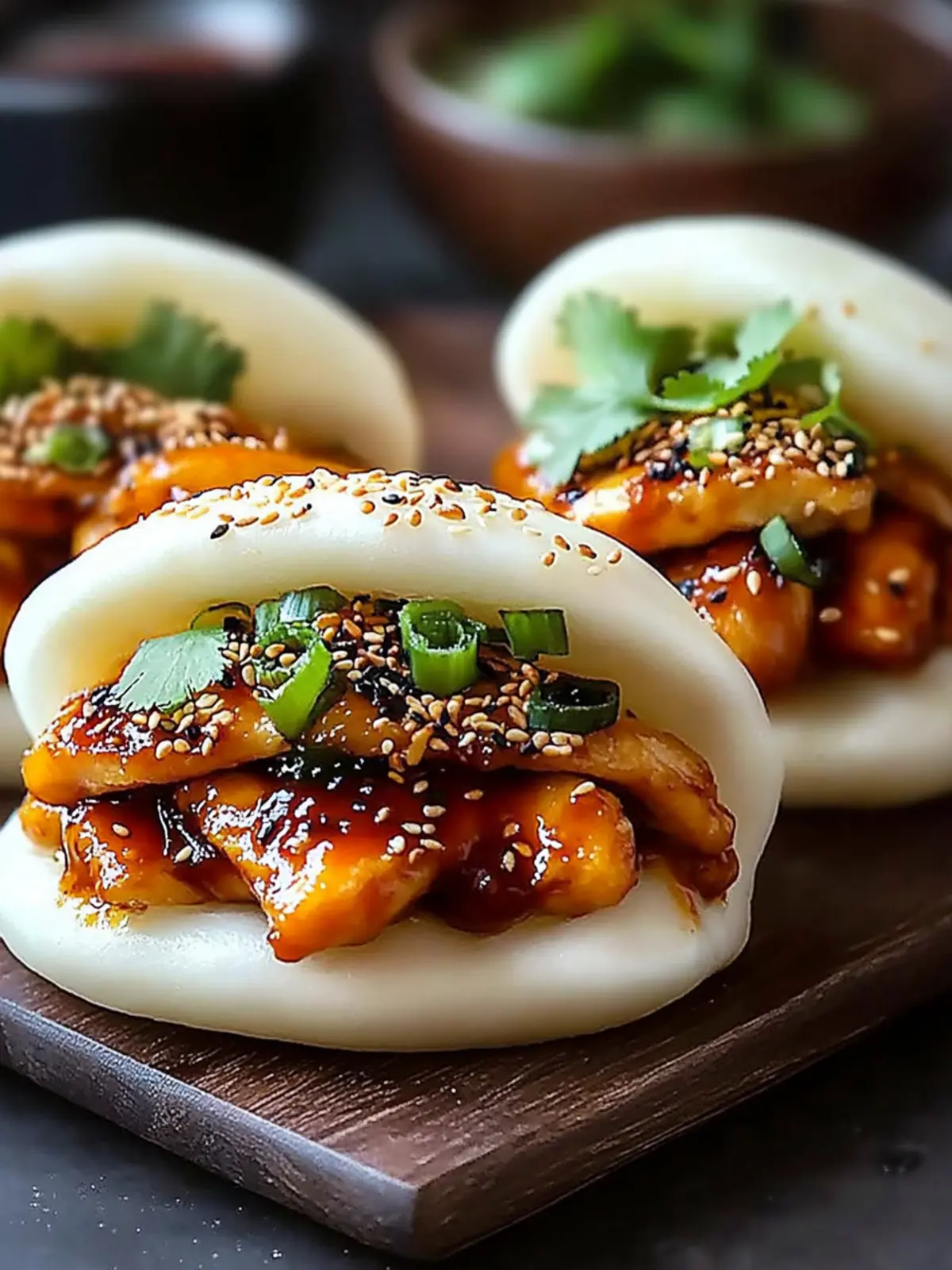
Korean Chicken Bao Buns Recipe FAQs
How do I choose ripe ingredients for this recipe?
Absolutely! When selecting your cucumbers, look for ones that are firm and have a vibrant green color—any dark spots or soft areas could indicate overripeness. For the chicken, boneless thighs should have a pink hue without any discoloration, ensuring freshness and juiciness in your bao buns.
What’s the best way to store leftover Korean Chicken Bao Buns?
Very! For cooked chicken, store it in an airtight container and keep it in the fridge for up to 3 days. Wrap any bao buns in plastic wrap or aluminum foil to prevent drying out; you can gently re-steam them to restore their fluffy texture. Remember, assembled buns are best enjoyed fresh as they tend to get soggy!
Can I freeze the chicken filling for future use?
Definitely! To freeze the chicken, place it in a durable airtight container or a freezer-safe zip-top bag. Remove as much air as possible, then label and store for up to 2 months. When you’re ready to enjoy your bao buns, simply thaw the chicken in the fridge overnight and reheat it in a skillet over low heat, ensuring it’s warmed through and flavorful.
What if my bao buns don’t steam properly?
Don’t worry; it happens! If your bao buns are not steaming well, check to make sure that your steaming setup is airtight. This means ensuring that the lid fits snugly on your steamer or pot. If steaming from frozen, increase the steaming time by about 2-3 minutes and ensure there’s enough water in the pan to prevent it from drying out.
Can I adjust this recipe for dietary restrictions?
Yes! If you’re catering to gluten-free diets, simply use tamari in place of soy sauce and ensure your bao buns are certified gluten-free. For those with spice sensitivity, reduce the amount of gochujang or replace it with a milder chili paste mixed with a bit of honey for sweetness. Always check labels to ensure all ingredients meet dietary needs.
How long can I keep the leftover marinated chicken?
Great question! Uncooked marinated chicken should be used within 24 hours for the best flavor. However, if you find you need to store it longer, it’s best to freeze it immediately. Just make sure to thaw it in the fridge before cooking to keep it safe and delicious!
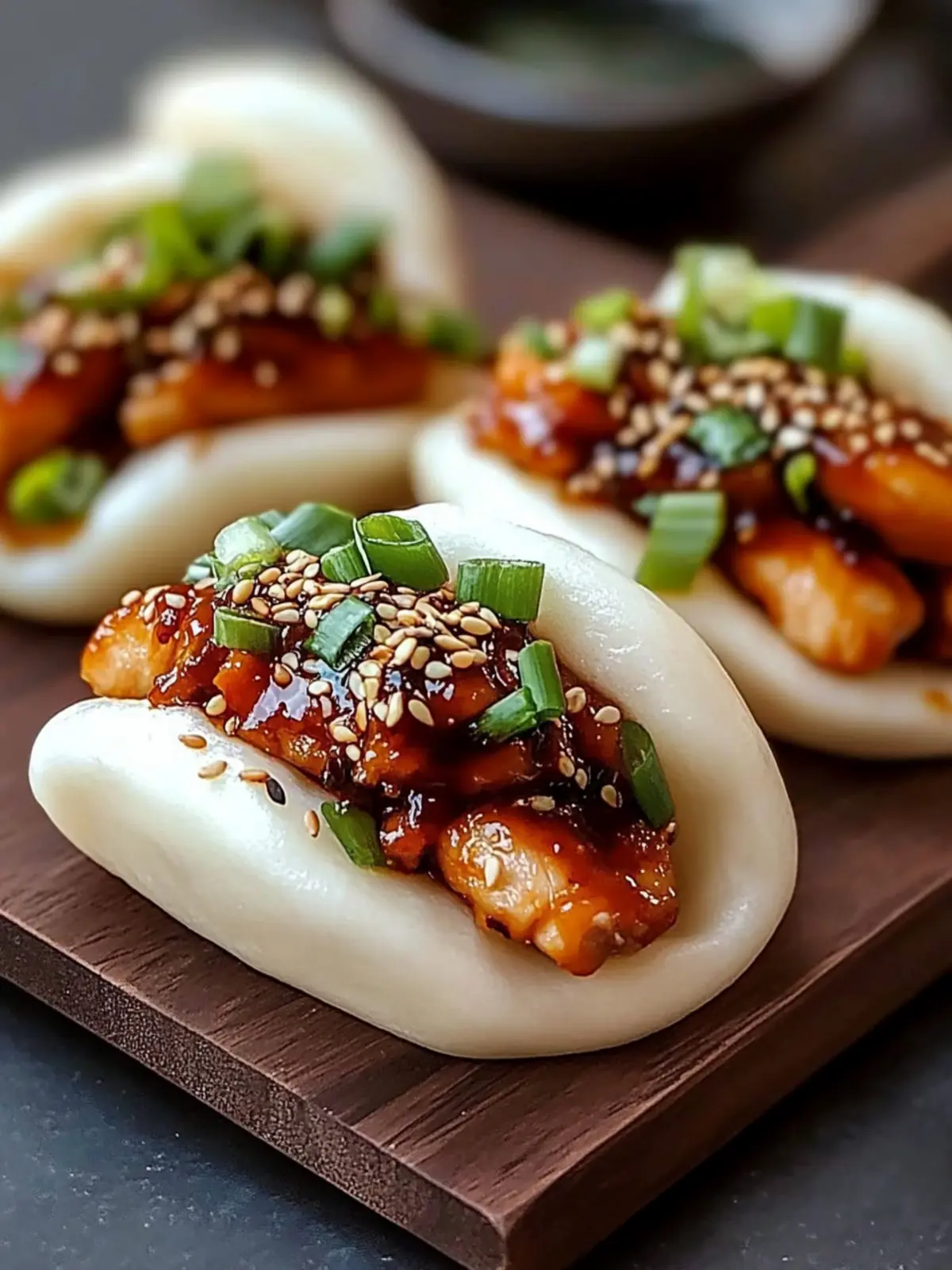
Korean Chicken Bao Buns: Your New Favorite Weeknight Treat
Ingredients
Equipment
Method
- In a bowl, combine gochujang, soy sauce, honey, minced garlic, and grated ginger. Add the boneless chicken thighs, ensuring they’re well coated, and let them marinate for 30 minutes to 4 hours.
- Heat a non-stick skillet over medium-high heat. Add the marinated chicken and cook, flipping occasionally, until it caramelizes and becomes sticky—about 10-15 minutes. Slice the chicken into bite-sized pieces.
- While the chicken is cooking, steam the bao buns according to package instructions or your homemade recipe for around 10 minutes.
- Gently open each bao bun and fill with the sticky chicken pieces. Top with cucumber slices, cilantro leaves, chopped green onions, and sesame seeds.
- Place the filled bao buns on a platter and serve warm.