
The rich aroma of baked salmon filled my kitchen as I crafted a dish that marries comfort with flavor—introducing my Gluten-Free Crispy Salmon Loaf. On a chilly evening when fast food just wouldn’t do, I reached for my pantry staples and, in a stroke of culinary inspiration, transformed simple ingredients into a crowd-pleasing casserole. With an irresistible crispy exterior enveloping a moist, flaky interior, this salmon loaf offers that home-cooked embrace we all crave.
Perfect for Fish Fridays or any weeknight meal, it’s a delightful way to introduce seafood to your family’s dinner rotation without the fuss. Trust me, whether you’re a seasoned chef or a busy home cook, this recipe is as easy as it is satisfying. You won’t just be serving dinner; you’ll be sharing warmth and love from your kitchen. Ready to dive in? Let’s make this mouthwatering Salmon Loaf together!
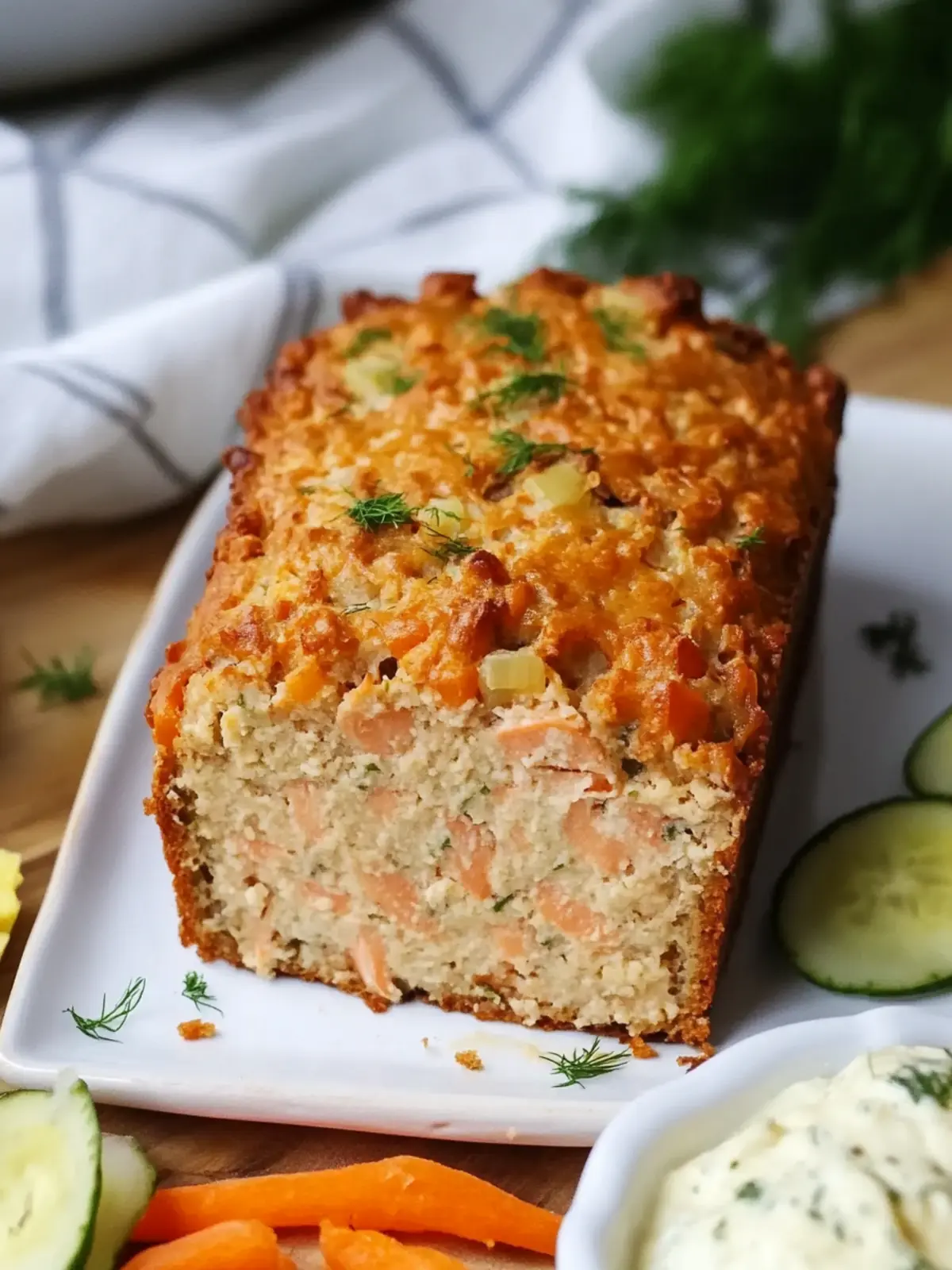
Why is this Salmon Loaf a must-try?
Rich Flavor: The unique blend of canned salmon and zesty lemon juice creates an exciting taste that both adults and kids enjoy.
Family-Friendly: This dish is great for picky eaters, making seafood appealing and fun!
Gluten-Free Comfort: Packed with gluten-free bread crumbs, it’s perfect for those with dietary restrictions without sacrificing flavor.
Quick and Easy: Ready in under an hour, it’s a convenient option for busy nights, ensuring you spend less time in the kitchen.
Versatile Delight: Feel free to swap in your favorite ingredients or try the suggested variations for a unique twist! Discover more easy recipes like this Salmon Loaf variation that can spice up your family dinners.
Salmon Loaf Ingredients
For the Loaf
- Canned Salmon – Main protein source, providing moisture and rich flavor; any canned salmon works best.
- Eggs – Essential binder that adds richness; can be substituted with flaxseed meal mixed with water for a vegan alternative.
- Gluten-Free Bread Crumbs – Adds structure and texture; can be replaced with gluten-free cracker crumbs or oats if desired.
- Yellow Onion – Provides mild savory flavor; finely chop for even distribution or use shallots for a sweeter touch.
- Lemon Juice – Brightens the dish and enhances the flavor of the salmon; fresh juice is ideal, but bottled will do in a pinch.
- Almond Milk – Keeps the mixture moist while adding a subtle nutty flavor; any milk or non-dairy option can be used.
- Onion Powder, Salt, Pepper, Dill Weed – Seasonings that elevate taste; consider using fresh herbs for an even bolder flavor.
For the Sauce
- Miracle Whip – Creates a creamy base for the sauce; mayonnaise can be a flavorful alternative.
- Lemon Juice – Adds brightness to the sauce; fresh lemon juice is recommended for the best flavor.
- Dill Weed & Salt – Seasoning to enhance sauce flavor; fresh dill can replace dried for a vibrant touch.
- Optional Lemon Zest – Introduces extra citrus aroma; totally optional, but highly recommended to brighten the dish if using fresh lemons.
How to Make Salmon Loaf
-
Preheat Oven: Start by preheating your oven to 350°F (175°C). This temperature ensures even cooking and a crispy texture for your loaf. Lightly grease a 9″ x 5″ loaf pan with cooking spray or butter.
-
Drain Salmon: Open your cans of salmon and fully drain them. Carefully remove any skin and bones, ensuring a smooth texture for your loaf.
-
Mix Ingredients: In a large mixing bowl, combine the drained salmon, eggs, gluten-free bread crumbs, finely chopped onion, lemon juice, almond milk, onion powder, salt, pepper, and dill. Mix thoroughly until well blended.
-
Pack Loaf Mixture: Firmly pack the salmon mixture into your greased loaf pan. Press it down evenly to ensure it holds together while baking.
-
Bake: Place the loaf pan in the preheated oven and bake for 50 to 60 minutes. You’ll know it’s done when the top is firm and begins to turn golden brown.
-
Prepare Sauce: While the loaf is baking, mix together the Miracle Whip, additional lemon juice, dill weed, salt, and optional lemon zest in a small bowl for a tangy, creamy sauce.
-
Serve: Once baked, remove the salmon loaf from the oven and let it cool for a few minutes. Slice it into portions and serve with a generous dollop of the prepared sauce.
Optional: Garnish with fresh dill for an extra touch of flavor.
Exact quantities are listed in the recipe card below.
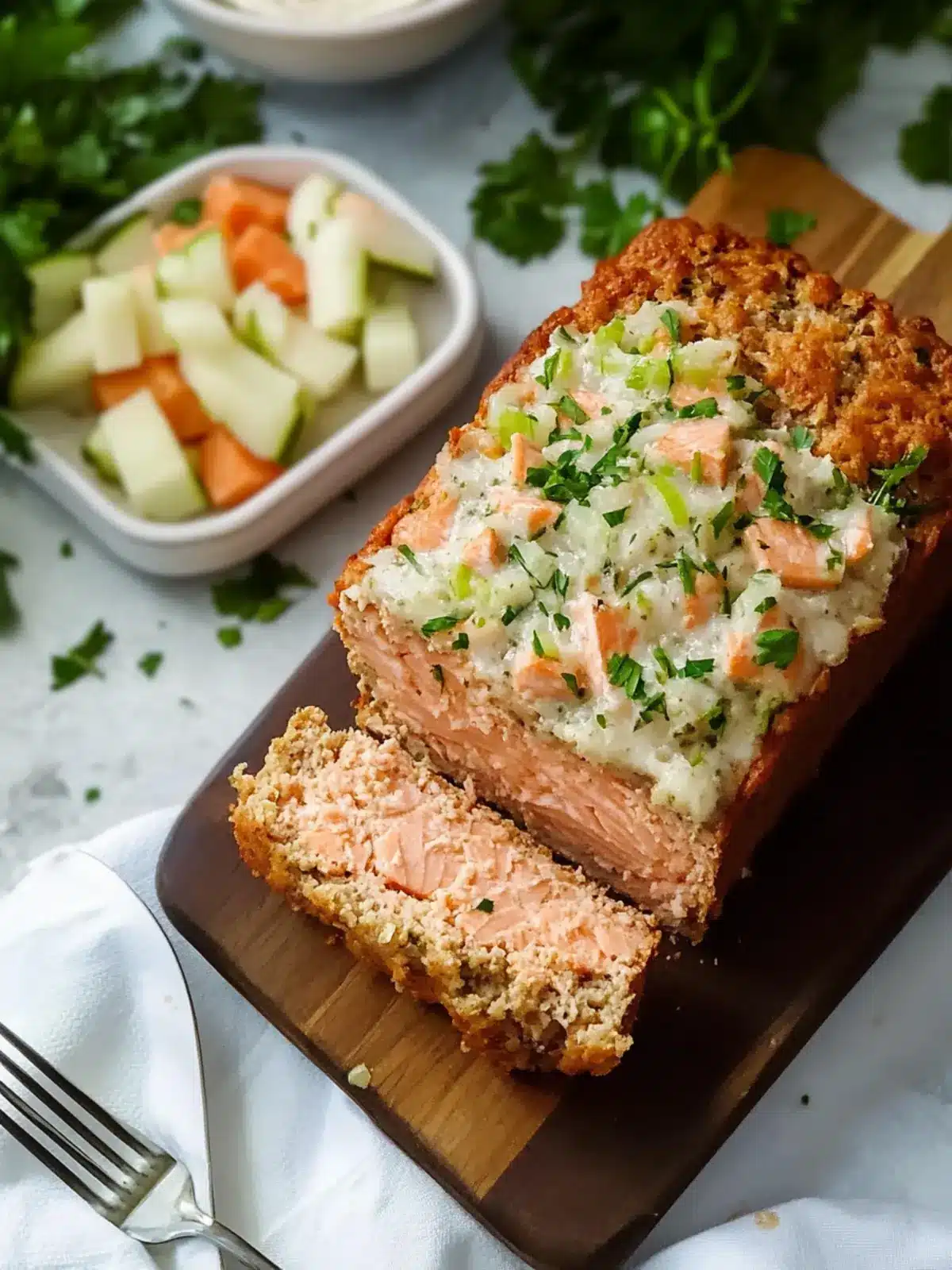
How to Store and Freeze Salmon Loaf
Fridge: Store leftovers in an airtight container for up to 3 days to maintain freshness. Reheat gently in the oven or microwave before serving.
Freezer: Wrap the salmon loaf tightly in plastic wrap or aluminum foil, and freeze for up to 3 months. Thaw in the refrigerator overnight before reheating.
Reheating: For best results, reheat the salmon loaf in a preheated oven at 350°F (175°C) for about 20 minutes until warmed through.
Serving Tip: Enjoy with your favorite toppings or sauces for a delightful meal any day of the week!
What to Serve with Salmon Loaf?
Dive into a world of flavors that pair beautifully with this delightful dish, transforming your dinner into a feast.
-
Air-Fried Potatoes: Crispy and golden, they provide a satisfying crunch that complements the moist salmon perfectly.
-
Mixed Vegetables: Fresh, sautéed or steamed veggies add vibrancy and a burst of nutrients, balancing the richness of the loaf.
-
Quinoa Salad: A hearty, protein-packed side, this fluffy grain salad introduces a nutty flavor that works well with salmon’s taste.
-
Coleslaw: Crunchy and tangy, coleslaw adds a refreshing contrast to the warm, savory loaf, enhancing every bite.
-
Creamy Mashed Cauliflower: Lighter than traditional mashed potatoes, this creamy side offers a smooth texture, pairing delightfully with the salmon loaf.
-
White Wine: A chilled glass of crisp Sauvignon Blanc or Chardonnay elevates the meal, cutting through the richness of the dish with its acidity.
-
Lemon Wedges: Fresh lemon slices not only add a pop of color but also a burst of citrus flavor, enhancing the salmon’s natural taste.
-
Garlic Bread: Slices of warm, garlicky bread create a comfort-food element, perfect for mopping up any leftover sauce.
Each of these pairings creates a delightful culinary experience, showcasing the versatility of your gluten-free salmon loaf while satisfying every palate at the table.
Expert Tips for Salmon Loaf
-
Mix Well: Ensure all ingredients are thoroughly mixed for an even texture throughout, avoiding dry sections in the finished Salmon Loaf.
-
Check Doneness: Baking times can vary, so check for firmness before removing the loaf from the oven to prevent a soggy texture.
-
Use Fresh Ingredients: Fresh herbs and lemon juice provide vibrant flavors; don’t be shy to experiment with fresh seasonings for a tastier Salmon Loaf.
-
Avoid Overpacking: When filling the loaf pan, pack the mixture firmly but not excessively to allow room for expansion while baking.
-
Storage Tips: If freezing leftovers, wrap tightly in plastic wrap or aluminum foil to maintain freshness and prevent freezer burn.
Salmon Loaf Variations
Feel free to explore and customize this recipe to suit your taste buds—let your culinary creativity shine!
-
Different Fish: Swap canned salmon for tuna or mackerel. Both options deliver a unique flavor while maintaining the dish’s comforting essence.
-
Extra Veggies: Add diced bell peppers, spinach, or even grated carrots to the mix. These additions not only boost nutrition but also introduce vibrant colors to your loaf.
-
Spicy Kick: For a bit of heat, mix in crushed red pepper or a few dashes of your favorite hot sauce. The warmth complements the seafood beautifully without overwhelming its natural taste.
-
Herbaceous Bliss: Fresh herbs like parsley or cilantro can elevate the loaf’s flavor profile. Toss in a handful for an aromatic twist that will brighten every bite.
-
Cheesy Delight: Incorporate shredded cheese, such as cheddar or feta, into the mixture. It adds a savory richness that makes each slice even more indulgent.
-
Nutty Texture: For a scrumptious crunch, sprinkle some chopped nuts or seeds like sunflower seeds into the mixture. They provide a delightful texture contrast.
-
Citrus Infusion: Experiment with lime or orange juice as alternatives to lemon for a different citrus note that can bring a pleasant surprise to your dish.
-
Mediterranean Flair: Mix in sun-dried tomatoes and olives for a Mediterranean twist. This variation will transport your taste buds to sunny shores with each bite!
Make Ahead Options
These Salmon Loaf preparations are perfect for busy home cooks looking to save time during the week! You can mix the salmon mixture up to 24 hours in advance, keeping it tightly covered in the refrigerator to maintain its freshness. The sauce can also be prepared ahead; just store it in a separate container in the fridge for up to 3 days, ensuring it’s well-sealed to prevent drying out. When you’re ready to enjoy your meal, simply pack the mixture into the loaf pan and bake as directed in the recipe. This way, you’ll have a delicious, comforting dinner with minimal effort, bringing warmth and flavor to your table while saving precious time!
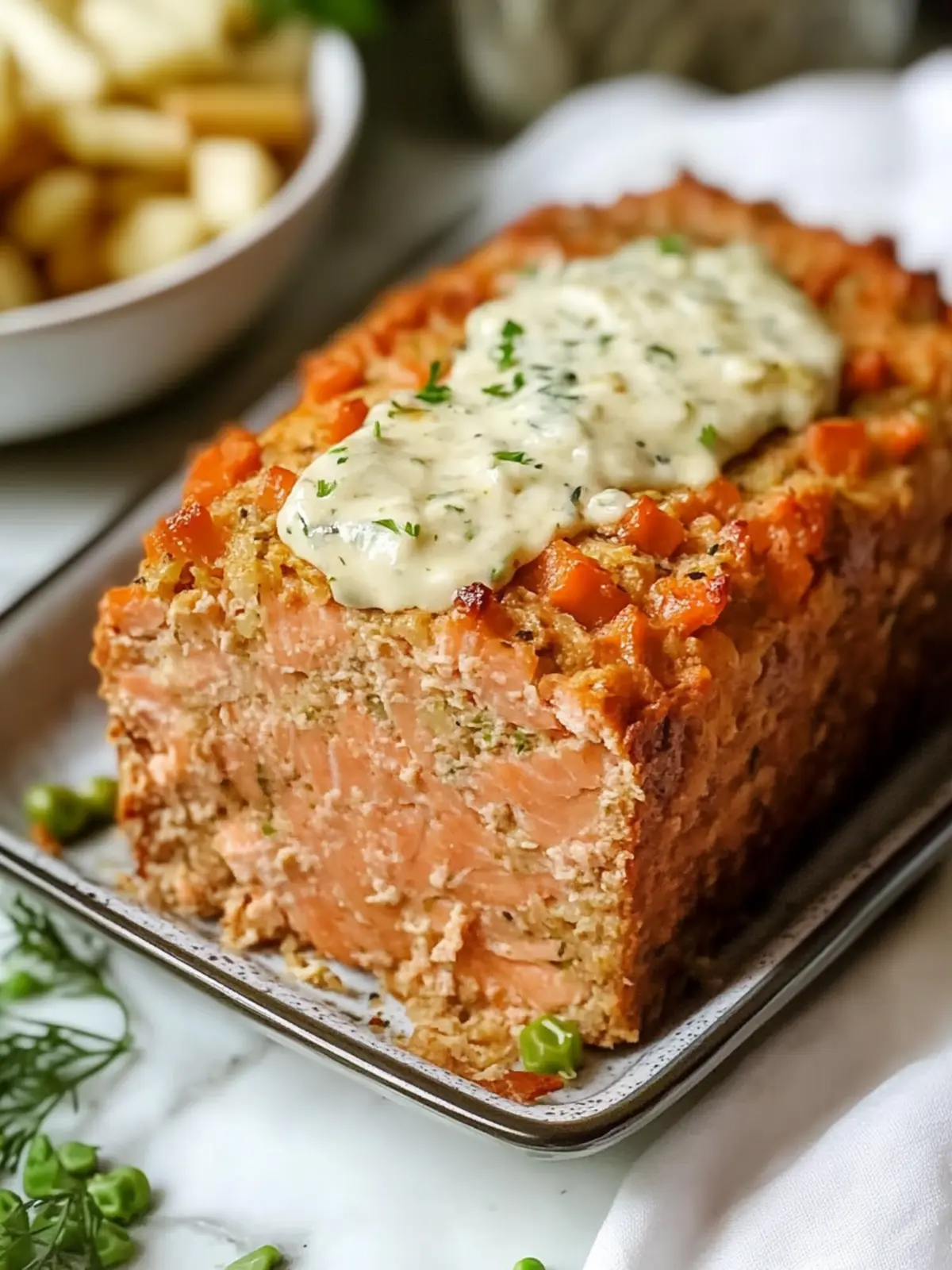
Salmon Loaf Recipe FAQs
What type of canned salmon should I use?
Absolutely! You can use any variety of canned salmon, whether it’s pink, red, or even sockeye. The important part is to ensure it retains moisture after draining, as that will help keep your Salmon Loaf tender and flavorful.
How should I store leftover Salmon Loaf?
Very simple! Store any leftover salmon loaf in an airtight container in your refrigerator for up to 3 days. This will help maintain its freshness and texture. Just be sure to reheat it gently in the oven or microwave before serving again for the best results.
Can I freeze my Salmon Loaf?
Yes, you can! To freeze your salmon loaf, wrap it tightly in plastic wrap or aluminum foil, ensuring all air is removed to prevent freezer burn. It will stay fresh for up to 3 months in the freezer. When you’re ready to enjoy it again, be sure to thaw it in the refrigerator overnight before reheating.
What can I do if my Salmon Loaf is too dry?
If you find that your salmon loaf has turned out drier than expected, don’t worry! You can add a bit more liquid, such as almond milk or even a splash of lemon juice, and mix it in gently before baking. Another great tip is to ensure you’re combining the ingredients well, as this helps to distribute moisture evenly.
Is this Salmon Loaf recipe suitable for people with allergies?
Very importantly! This Salmon Loaf is gluten-free, making it a great option for those with gluten sensitivities. However, if you have any allergies, be sure to check the labels on your ingredients. You can also easily substitute the eggs with flaxseed meal mixed with water for a vegan-friendly version. Always prioritize what’s best for you and your loved ones!
Can pets eat cooked salmon?
Absolutely! As long as it’s plain without any added ingredients like salt or spices, cooked salmon can be a tasty treat for many dogs. However, be sure to consult your veterinarian before introducing any new food to your pet’s diet to ensure it’s safe.
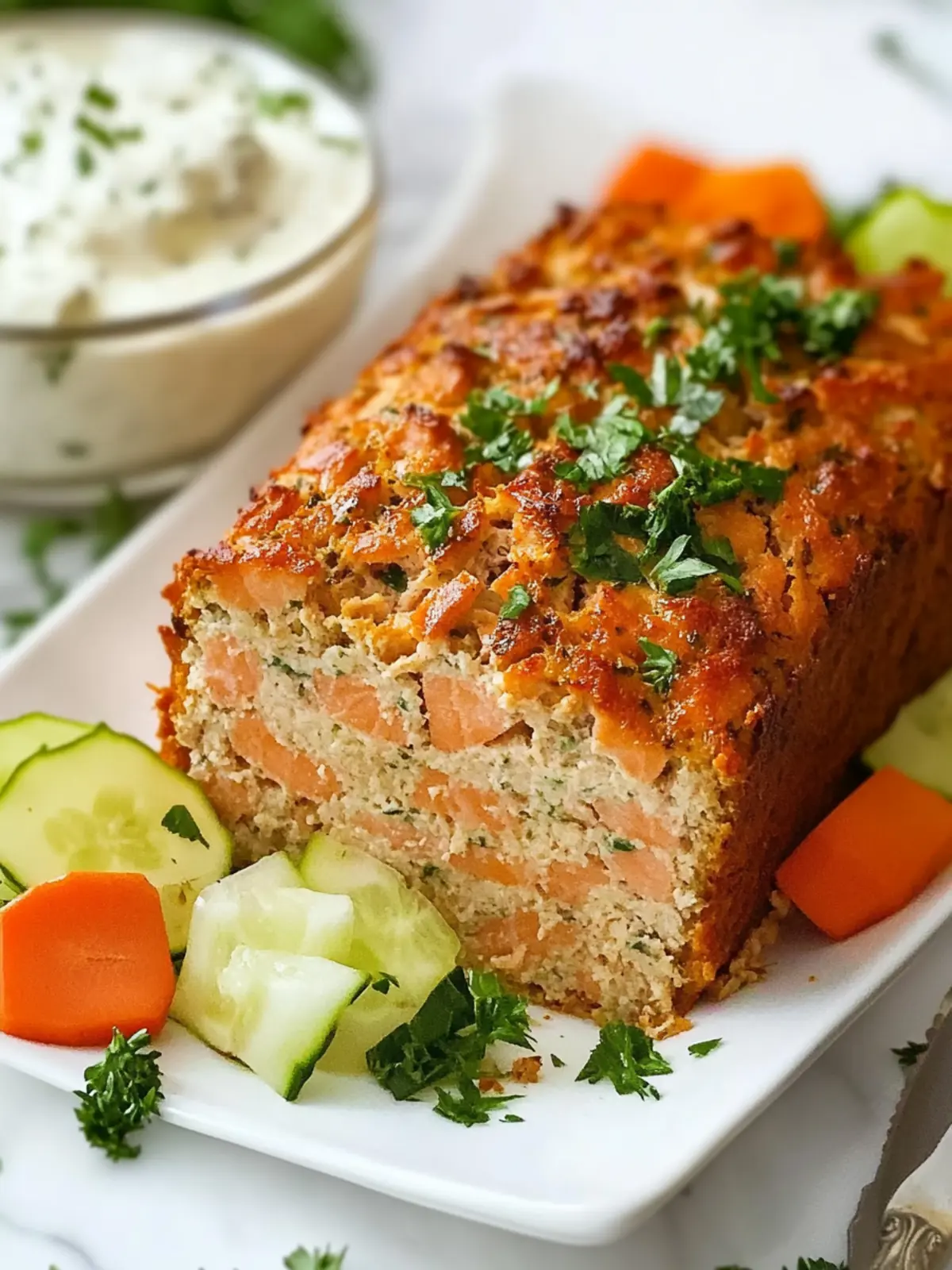
Savory Salmon Loaf: Your Easy Gluten-Free Family Favorite
Ingredients
Equipment
Method
- Preheat your oven to 350°F (175°C) and grease a 9" x 5" loaf pan.
- Open and drain the canned salmon, removing skin and bones.
- In a large bowl, mix the drained salmon, eggs, bread crumbs, onion, lemon juice, almond milk, onion powder, salt, pepper, and dill until well combined.
- Pack the mixture into the greased loaf pan.
- Bake for 50 to 60 minutes until firm and golden brown on top.
- Mix Miracle Whip, lemon juice, dill, and salt in a small bowl for the sauce.
- Remove from the oven, cool for a few minutes, slice, and serve with sauce.