
The moment you take a balanced bite of Greek Fava with Caramelised Onions, it transports you straight to a sun-kissed Mediterranean kitchen. With its creamy texture and depth of flavor, this dish isn’t just a feast for the senses; it’s a warm embrace for the soul. I stumbled upon this recipe during a week when fast food had begun to feel like a monotonous chore, and the thought of homemade goodness rekindled my passion for cooking.
The vibrant combination of earthy fava beans, aromatic garlic, and zesty lemon juice comes alive, beautifully complemented by the rich sweetness of caramelised onions. Whether you’re looking for an impressive appetizer or a comforting side dish, this Greek fava spread is endlessly versatile. Plus, it’s surprisingly easy to whip up, making it an ideal choice for even the busiest weeknights.
Join me as we dive into this rustic recipe that promises to break the cycle of boring meals and bring a taste of tradition right to your dinner table. Ready to elevate your home-cooked experience? Let’s get started!

Why will you love Greek Fava with Caramelised Onions?
Comforting and Hearty: This dish’s creamy texture combined with the sweetness of caramelised onions creates a warm hug for your taste buds.
Simple Ingredients: With just a handful of pantry staples, you can make an impressive dish that bursts with flavor.
Versatile Delight: Perfect as a spread, side, or starter, it adapts to any meal or occasion!
Quick to Prepare: Spend less time in the kitchen as it comes together in under an hour—ideal for busy evenings!
Nutrient-Packed: Fava beans are not only delicious but also rich in protein and fiber, making this dish nutritious as well as delectable.
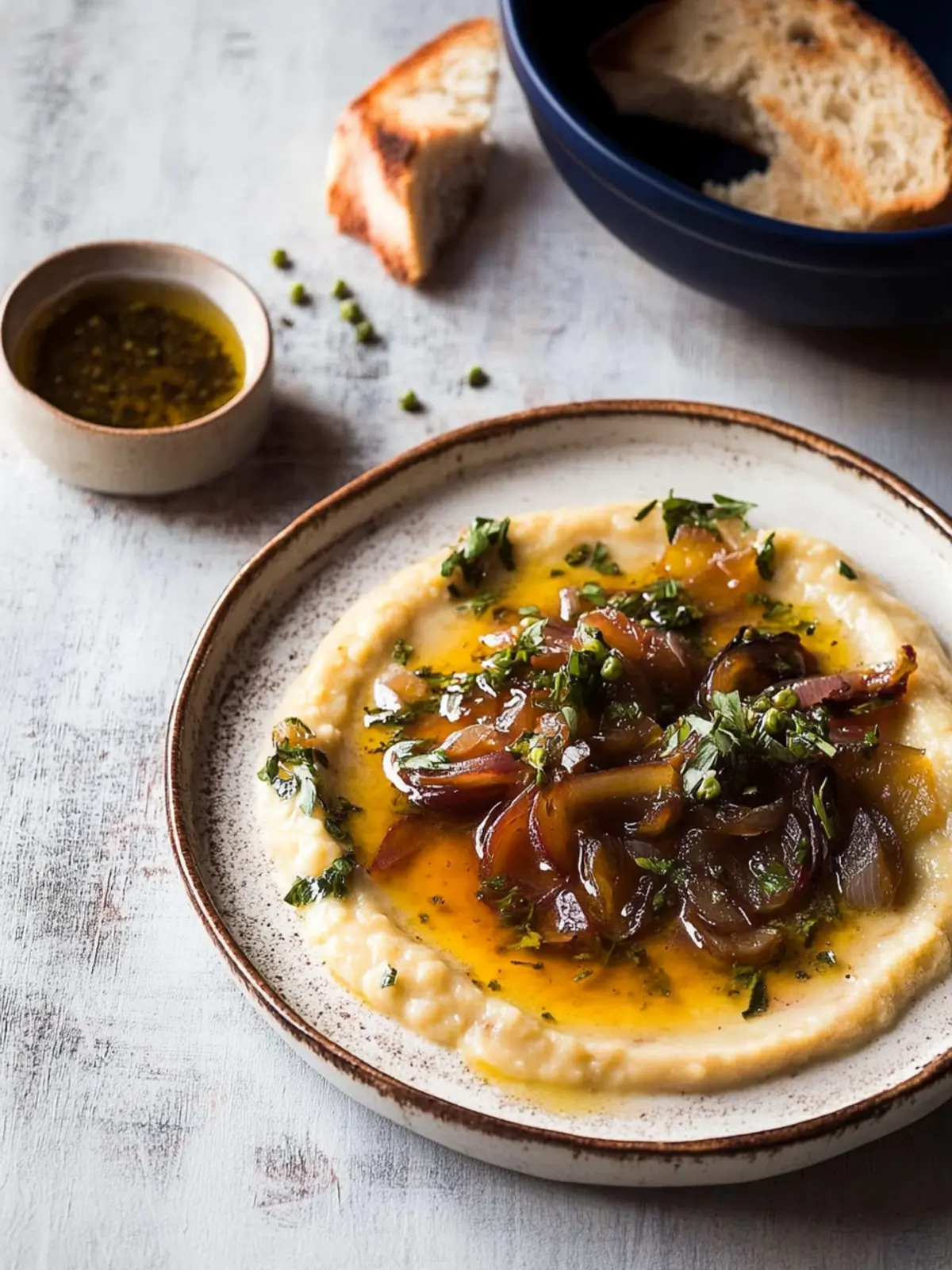
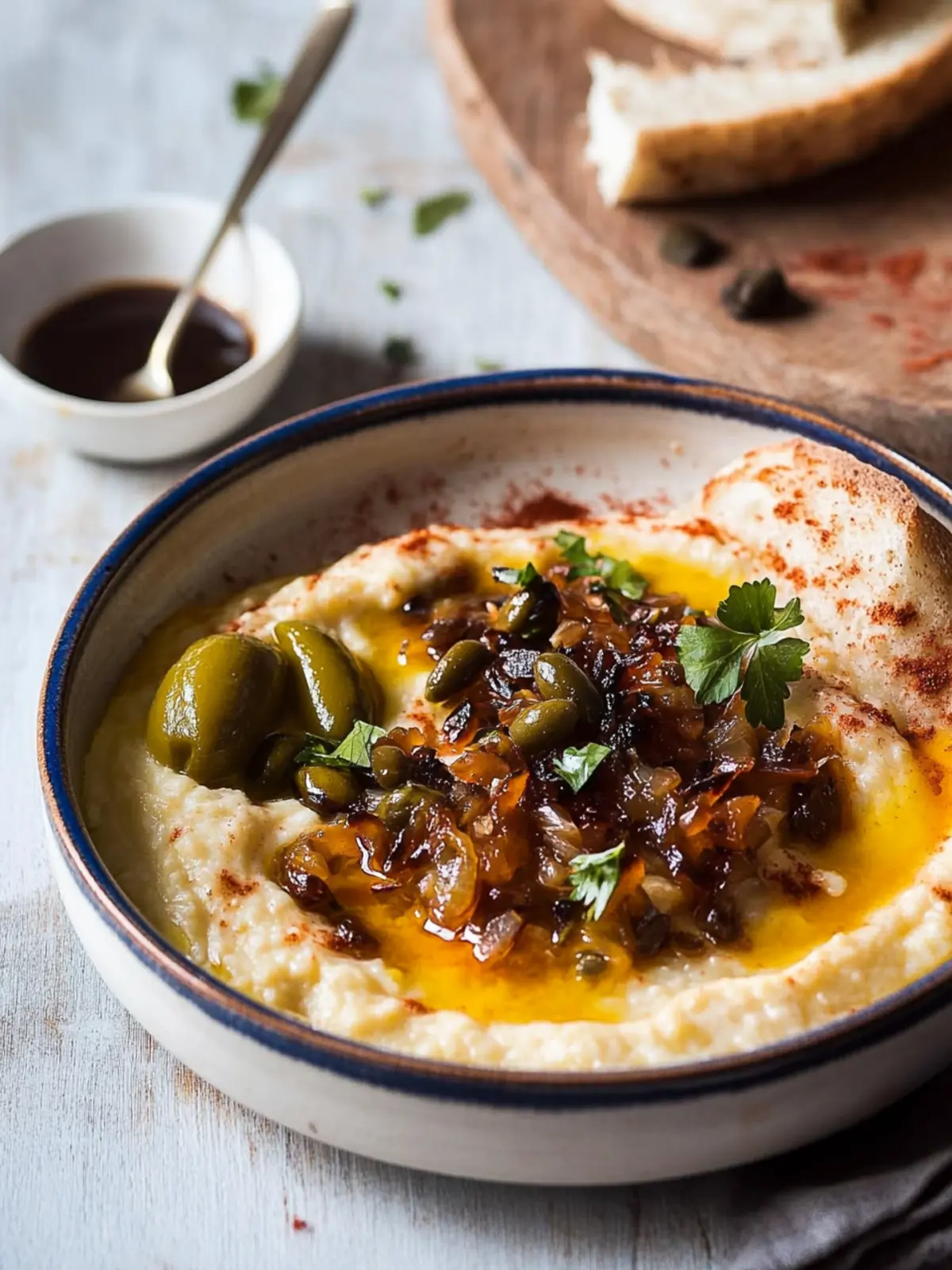
Impressive Presentation: Serve it topped with a drizzle of olive oil and a sprinkle of paprika for an eye-catching finish that will wow your guests.
Greek Fava Ingredients
• Elevate your meals with this delightful recipe!
For the Fava Spread
- Greek fava beans – about 250g / 1¼ cups, they serve as a hearty base for this creamy dish.
- Red onion – ½ medium, adding a pop of flavor that enhances the overall richness.
- Garlic cloves – 2 small, infusing aromatic goodness into every bite.
- Fine salt – ¾-1 tsp, adjust to taste for a well-seasoned dish.
- Bay leaf – 1, to infuse a subtly earthy aroma during cooking.
- Lemon juice – 2 tbsp, bringing bright acidity that balances the creaminess.
- Dried thyme – 1 tsp, providing a wonderful herbal note to the fava.
- Freshly ground pepper – to taste, for a hint of spice that awakens the flavors.
- Extra virgin olive oil – ideal for blending into the spread for added creaminess.
- Sweet paprika – a few pinches, used for an extra burst of color and flavor.
- Capers – 2 tbsp, adding a briny contrast that enhances the dish’s depth.
- Caramelised onions OR raw red onion – use either finely sliced raw for freshness or caramelised for sweetness.
For the Caramelised Onions (optional)
- Red onions – 2 medium, the star ingredient for sweetness and richness.
- Brown sugar – 1-2 tsp, helps to deepen the caramelization process.
- Balsamic vinegar – 1 tbsp, adding tangy depth to the onions.
- Olive oil – 30 ml / 2 tbsp, to begin the caramelisation cooking process.
- Pinch of salt – enhances the natural flavors of the onions.
With these simple yet transformative ingredients, you’ll create a memorable Greek fava with caramelised onions that will surely impress your friends and family!
How to Make Greek Fava with Caramelised Onions
-
Infuse Thyme: Start by placing dry thyme into a tea strainer and immersing it in boiling water for a few minutes. This will enhance your fava’s flavor with a lovely herbal note.
-
Prepare Garlic Mixture: In a small bowl, mix the grated garlic with 2 tablespoons of lemon juice and set it aside. This mixture will add a zesty kick to your dish.
-
Rinse Beans: Carefully check the Greek fava beans for any small stones or debris, then rinse them well under cold water until the liquid runs clear. This ensures a clean base for your recipe.
-
Cook Beans: Place the rinsed beans into a pot and cover them with about 1 inch of water. Cover with a lid and bring to a gentle boil over medium heat.
-
Remove Scum: Once boiling, watch for scum that may form on the water’s surface and gently discard it. This helps keep your fava smooth and creamy.
-
Simmer Infusion: Add the bay leaf, half of the chopped onion, and the thyme infusion. Cover with the lid slightly ajar, then simmer on low-medium heat for about 45 minutes to 1 hour, until the beans are completely mushy and soft, adding more water if necessary.
-
Blend Mixture: Once the beans are tender, blend the cooked fava and onions until smooth using a blender or food processor. This step is crucial for that creamy texture!
-
Season Well: Add the lemon juice, garlic mixture, salt, and freshly ground pepper. Blend well, adding more olive oil if desired to achieve your preferred creaminess.
-
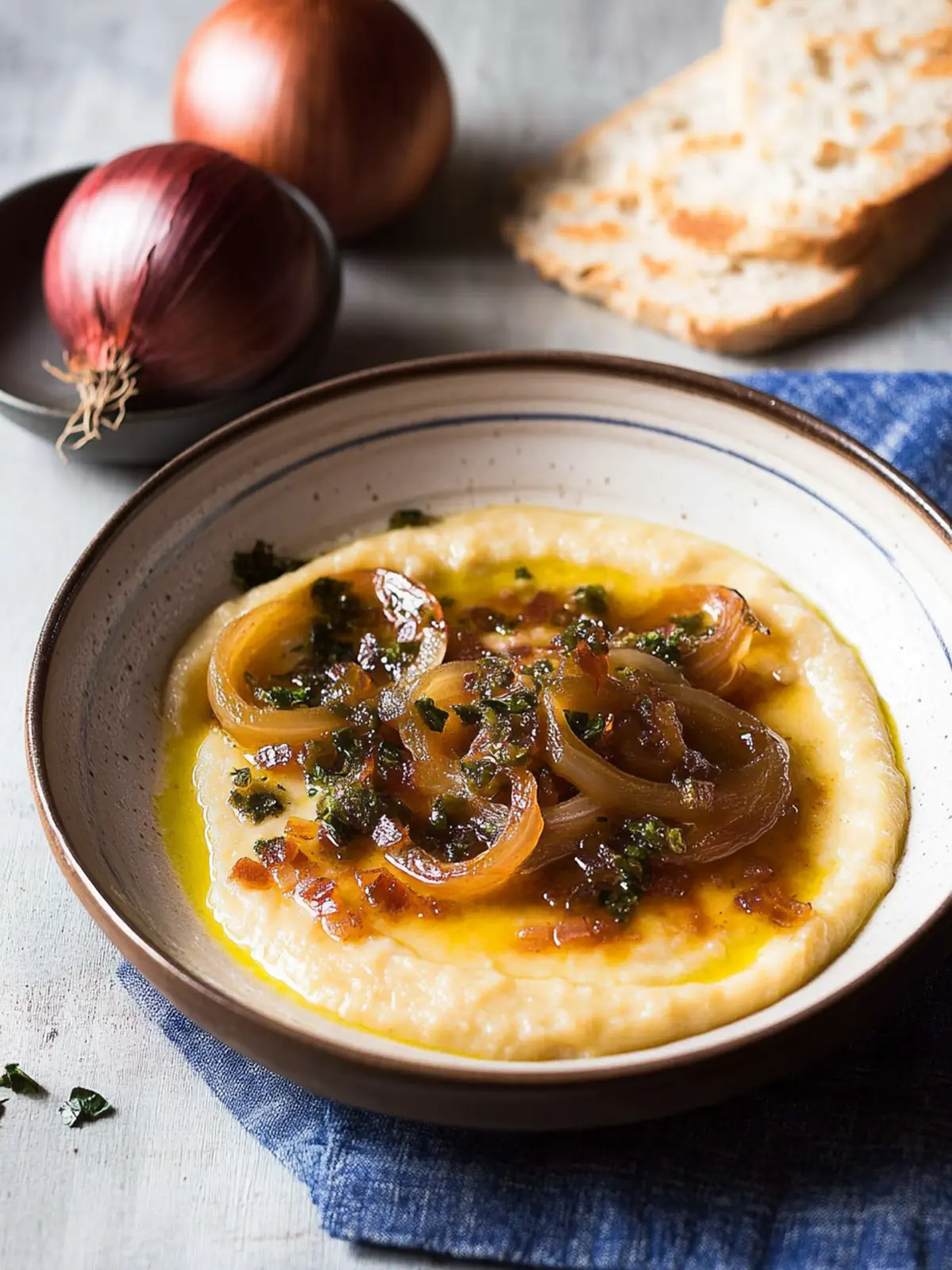
Adjust Consistency: If the mixture is too thick, drizzle in a bit more water and blend. Serve it warm or at room temperature, topped with olive oil, caramelised onions, capers, and a pinch of sweet paprika.
For the Caramelised Onions:
-
Heat Oil: Begin by heating 2 tablespoons of olive oil in a large pan over low heat.
-
Slice Onions: Peel and slice the red onions into 3 mm thick pieces. This will ensure they cook evenly.
-
Coat in Oil: Add the sliced onions to the pan and stir gently to coat them in olive oil.
-
Cook Slowly: Allow the onions to cook on a very low heat, stirring occasionally, until they become soft and translucent. Patience is key here; don’t rush this process!
-
Sweeten Onions: Once soft, add a pinch of salt, brown sugar, and balsamic vinegar. Continue cooking until the sugars dissolve and the onions achieve a rich golden color.
-
Deglaze Pan: To enhance the flavor, add a splash of water to deglaze the pan and cook until the water is evaporated. This adds depth to your caramelised onions.
Optional: Drizzle a little extra olive oil before serving for added richness.
Exact quantities are listed in the recipe card below.
Make Ahead Options
These Greek Fava with Caramelised Onions are perfect for busy home cooks looking to streamline their meal prep! You can prepare the fava spread up to 3 days in advance by cooking and blending the fava mixture, then storing it in an airtight container in the refrigerator. For the caramelised onions, you can make these up to 24 hours ahead; simply follow the caramelisation process and refrigerate. When you’re ready to enjoy, warm the fava on the stove or in the microwave, and serve it topped with the cold caramelised onions, capers, and a drizzle of olive oil. This way, you’ll have a comforting, homemade dish that’s just as delicious with minimal last-minute effort!
Variations & Substitutions for Greek Fava with Caramelised Onions
Feel free to play around with this recipe to create your perfect version of Greek fava!
- Lemon Zest: Add the zest of one lemon for a brighter flavor that enhances the dish’s freshness.
- Herb Infusion: Swap thyme for rosemary or oregano for a different herbal twist, bringing a unique aroma to the fava.
- Smoky Flavor: Stir in a pinch of smoked paprika instead of sweet paprika for a delightful smoky depth that tantalizes your taste buds.
- Nutty Texture: Add in a few tablespoons of tahini for a creamy, nutty flavor that beautifully complements the fava beans.
- Chili Heat: Sprinkle in some crushed red pepper flakes for a spicy kick that brings warmth and excitement to every bite.
- Creamy Vegan Alternative: Replace olive oil with a splash of coconut milk for a creamier, dairy-free spread that’s still comforting.
- Veggie Boost: Fold in finely diced roasted red peppers or sun-dried tomatoes for an extra burst of flavor and color.
- Nutty Topping: Garnish with toasted pine nuts or walnuts for an additional crunchy texture and layer of flavor that makes this dish shine.
Let your creativity run wild, and have fun crafting a version of Greek fava that speaks to your unique tastes!
What to Serve with Greek Fava with Caramelised Onions?
Elevate your dining experience with irresistible accompaniments that enhance the flavors of this delightful dish.
- Crusty Bread: A warm, crusty loaf is perfect for scooping up the creamy fava spread, offering a satisfying contrast in texture.
- Fresh Salad: A vibrant Mediterranean salad with cucumbers and tomatoes adds a refreshing crunch that complements the richness of the fava.
- Roasted Vegetables: Seasonal roasted veggies, drizzled with olive oil, provide a beautiful earthy flavor that pairs wonderfully with herby fava.
- Marinated Olives: A small bowl of marinated olives adds a briny bite, enhancing the layers of flavor in the fava and enriching your table.
- Feta Cheese: Crumbled feta provides a tangy creaminess that brightens each bite of fava, creating a balanced palate experience.
- White Wine Spritzer: A chilled white wine spritzer brings a light, crisp element to the meal, refreshing your taste buds between bites.
- Stuffed Grape Leaves: These delightful bites add a lovely, savory touch that accentuates the overall Mediterranean theme of your meal.
- Zesty Lemonade: Sip on a refreshing lemonade that harmonizes with the lemony notes in the fava, brightening the entire eating experience.
- Baklava: For a sweet ending, serve baklava to indulge in a luscious layer of honey and nuts that leaves a memorable finish.
How to Store and Freeze Greek Fava with Caramelised Onions
Fridge: Store leftover Greek fava in an airtight container for up to 3 days. Make sure to cool the fava completely before sealing to preserve its creamy texture.
Freezer: Freeze Greek fava in portions for up to 3 months. Use freezer-safe containers or bags, removing as much air as possible before sealing for best results.
Reheating: To reheat, thaw in the refrigerator overnight, then warm gently in a saucepan over low heat, stirring frequently. Add a splash of olive oil or water to restore its smooth consistency if needed.
Serving Tips: If you’re planning to serve the frozen fava as a spread, remember to add fresh toppings like caramelised onions and capers just before serving for a burst of flavor!
Expert Tips for Greek Fava with Caramelised Onions
- Bean Quality: Always check your Greek fava beans for small stones or debris to avoid any unpleasant surprises while enjoying your dish.
- Slow Cook Onions: Caramelised onions require patience—cook them on low heat to ensure they caramelize evenly and develop a rich flavor without burning.
- Thicken Wisely: If your fava spread is too thick after blending, drizzle in warm water gradually for a smooth, creamy consistency that’s easy to spread.
- Infusion Timing: Don’t rush the thyme infusion! A few minutes in boiling water will extract maximum flavor, enhancing your Greek fava dish beautifully.
- Olive Oil Love: Adjust the amount of extra virgin olive oil to your preference during blending; it not only adds creaminess but elevates taste, transforming your fava spread.
- Crown with Flavor: Don’t skip the topping—caramelised onions and capers add beautiful texture and flavor contrast that elevates your Greek fava experience.
Greek Fava with Caramelised Onions Recipe FAQs
What kind of fava beans should I use?
Absolutely! For this recipe, I recommend using Greek fava beans, which have a creamy texture and uniquely earthy flavor. Look for beans that are free from any visible defects and aren’t too dry or hard, as this may affect cooking and texture.
How should I store leftover Greek fava?
You can store leftover Greek fava in an airtight container in the fridge for up to 3 days. Make sure the fava is fully cooled before sealing the container to maintain its creamy goodness. Enjoy it either cold or gently reheated!
Can I freeze Greek fava with caramelised onions?
Very! You can freeze Greek fava spread in portions for up to 3 months. Use freezer-safe containers or bags, and ensure most of the air is removed before sealing. To reheat, thaw the fava overnight in the fridge, then warm it gently over low heat, adding a splash of olive oil or water if needed for creaminess.
What if my fava mixture is too thick after blending?
Don’t worry! If you find the mixture is too thick, simply drizzle in warm water a little at a time while blending until you achieve your desired consistency. This will help maintain that delightful creaminess perfect for spreading!
Can I make this recipe nut-free or allergy-friendly?
Yes, you can! This recipe is naturally nut-free, making it suitable for those with nut allergies. However, if you are allergic to onions or have other dietary concerns, feel free to omit the onions or substitute with a vegetable that suits your taste. Always check the ingredients for potential allergens.
How do I know when my onions are perfectly caramelised?
For perfectly caramelised onions, cook them over low heat for about 30 to 40 minutes, stirring occasionally. They should become soft, sweet, and a deep golden color without any signs of burning. Patience is key here—slow cooking brings out their natural sugars for that rich flavor we all love!
Delicious Greek Fava with Caramelised Onions for Cozy Nights
Ingredients
Equipment
Method
- Infuse thyme in boiling water using a tea strainer for a few minutes.
- Mix grated garlic with 2 tablespoons of lemon juice in a small bowl, set aside.
- Rinse Greek fava beans under cold water until clear.
- Place rinsed beans in a pot, cover with about 1 inch of water, and bring to gentle boil.
- Discard any scum that forms on the surface while boiling.
- Add the bay leaf, half of the chopped onion, and the thyme infusion. Cover and simmer on low-medium heat for 45 minutes to 1 hour, until soft.
- Blend cooked fava and onions until smooth.
- Add lemon juice, garlic mixture, salt, and pepper, blending until smooth. Adjust consistency with olive oil if desired.
- Serve warm or at room temperature topped with olive oil, caramelised onions, capers, and sweet paprika.
- Heat 2 tablespoons of olive oil in a large pan over low heat.
- Slice red onions into 3 mm thick pieces.
- Add sliced onions to the pan, coating them in olive oil.
- Cook on low heat until soft and translucent, stirring occasionally.
- Add a pinch of salt, brown sugar, and balsamic vinegar. Cook until sugars dissolve and onions turn golden.
- Deglaze the pan with a splash of water, cooking until evaporated.