
Picture this: It’s a busy weeknight, and the clock is ticking. I’ve scoured the fridge for something exciting, wanting more than just another bland meal. That’s when I stumbled upon a vibrant Thai Cry Baby Noodles recipe (Pad Ngor Ngae) that transformed my ordinary evening into a culinary adventure! The delightful combination of wide rice noodles, savory tofu, and aromatic spices creates a mouthwatering experience that bursts with umami goodness.
Not only is this dish incredibly quick—ready in under 30 minutes—but it’s also wonderfully customizable. Whether you prefer the heartiness of chicken, the briny touch of shrimp, or a medley of colorful veggies, this recipe caters to all tastes and dietary preferences. Inspired by the rustic charm of Thai street food, it even made an appearance in the Netflix film “Hunger.”
Join me in whipping up these flavorful noodles that promise to delight your taste buds and banish the boring takeout routine once and for all!

Why Will You Love This Thai Cry Baby Noodles Recipe?
Quick and Easy: Whip up this vibrant dish in under 30 minutes, making it perfect for busy weeknights.
Customizable Options: Enjoy the versatility of this recipe by adding your favorite proteins—be it chicken, shrimp, or even seasonal veggies.
Mouthwatering Umami: The rich flavors from chili oil and savory seasoning deliver an unforgettable taste that will have your family asking for seconds.
Vegetarian-Friendly: Easily switch to tofu or your favorite plant-based protein, ensuring everyone can enjoy this culinary delight.
Street Food Vibes: Experience the authentic feel of Thai street food at home, thanks to this recipe inspired by the Netflix film “Hunger.”
With its crowd-pleasing flavors and simplicity, the Thai Cry Baby Noodles will banish your boring takeout routine!
Thai Cry Baby Noodles Ingredients
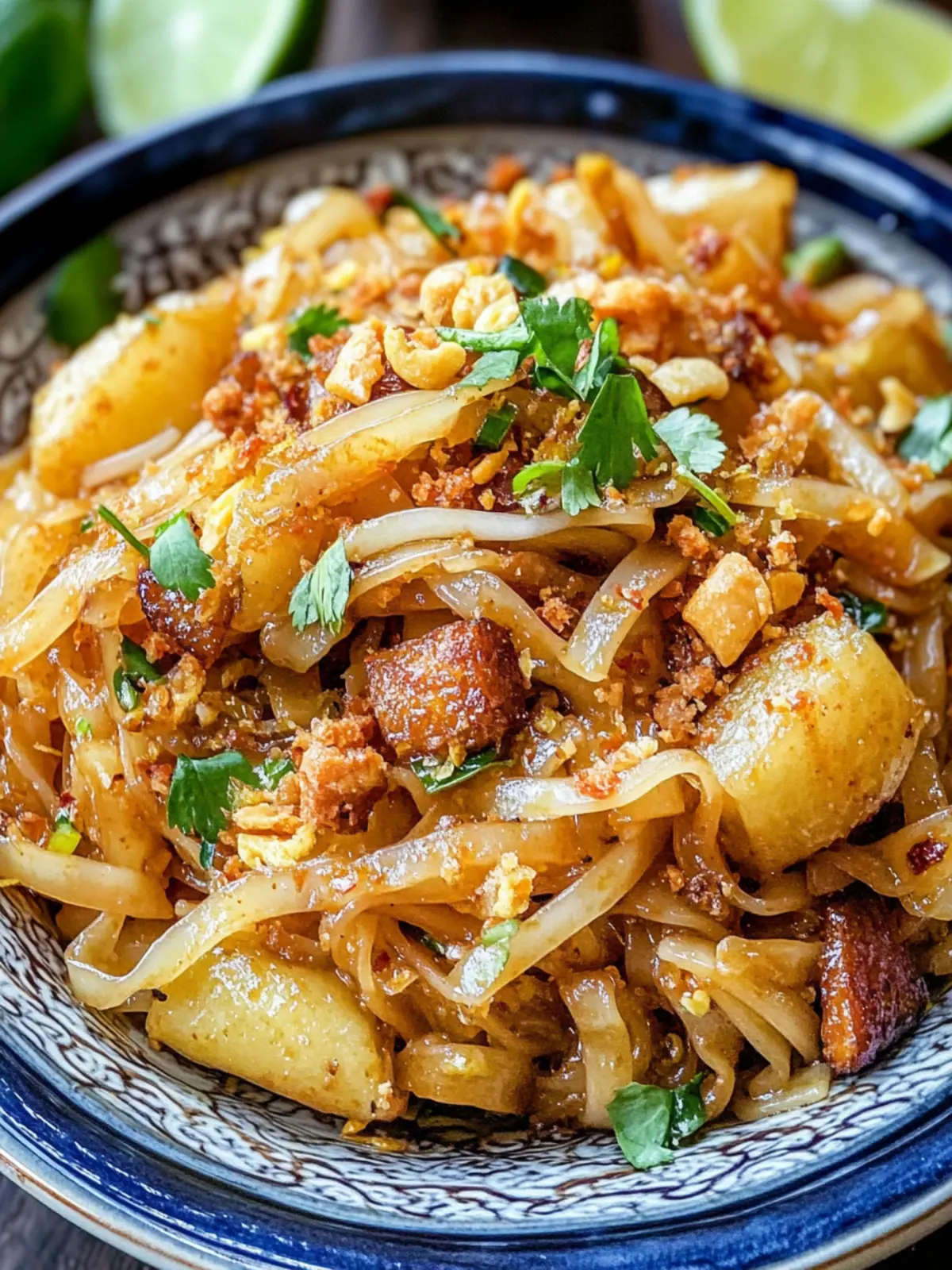
• Savor the authentic flavors of this Thai Cry Baby Noodles recipe!
For the Stir-Fry
- Chili Oil – Adds heat and a smoky flavor; can substitute with sesame oil for a milder taste.
- Garlic – Provides aromatic depth; use powdered garlic in a pinch.
- Onion – Adds sweetness and texture; shallots can be used for a more subtle taste.
- Extra-firm Tofu – Serves as the primary protein source and provides a chewy texture; can be replaced with chicken or shrimp for a non-vegetarian option.
- Dried Mini Shrimp – Enhances the umami flavor profile; omit for a vegetarian dish or replace with mushrooms.
- Chinese Sausage (Lap Cheong) – Adds sweetness and richness; substitute with any preferred sausage or omit entirely.
- Oyster Sauce – Provides deep savory notes; vegetarian alternative is mushroom sauce.
- Fermented Soybean Paste – Adds a unique savory and slightly tangy note; skip or use miso for a different flavor.
- Oxo Sauce – Enhances flavor with saltiness; soy sauce can be a substitute.
For the Noodles
- Fresh Rice Noodles – The base of the dish, providing starchiness and chew; dried rice noodles can be used, but cooking time will differ.
- Cooking Oil – For stir-frying; any neutral oil, like canola, works.
- Eggs – Adds richness and binds the mixture; to honor a vegan option, omit eggs or use tofu scramble.
Let’s gather these ingredients and embrace the vibrant flavors of Thai cuisine right in your kitchen!
How to Make Thai Cry Baby Noodles
-
Heat the Oil: In a wok, warm 2 tablespoons of chili oil over medium heat. Let the fragrant oil fill your kitchen as you add 2 minced garlic cloves and 1 sliced onion, sautéing until golden brown and fragrant.
-
Stir-Fry Tofu: Add 1 cup of diced extra-firm tofu to the wok. Stir-fry alongside ¼ cup of dried mini shrimp and 1 sliced Chinese sausage for about 5 minutes until the tofu is lightly browned and crispy edges develop.
-
Add Sauces: Pour in 3 tablespoons of oyster sauce, 1 tablespoon of fermented soybean paste, and 1 tablespoon of oxo sauce. Stir the mixture thoroughly to coat all the ingredients with rich, deep flavors.
-
Incorporate Noodles: Gently toss in 8 ounces of fresh rice noodles. Mix them in the wok until heated through, ensuring they’re beautifully coated with the savory sauce for about 2-3 minutes.
-
Scramble Eggs: Create some space in the wok for 2 beaten eggs. Pour in a little cooking oil and scramble the eggs lightly until just set, then combine them with the noodle mixture.
-
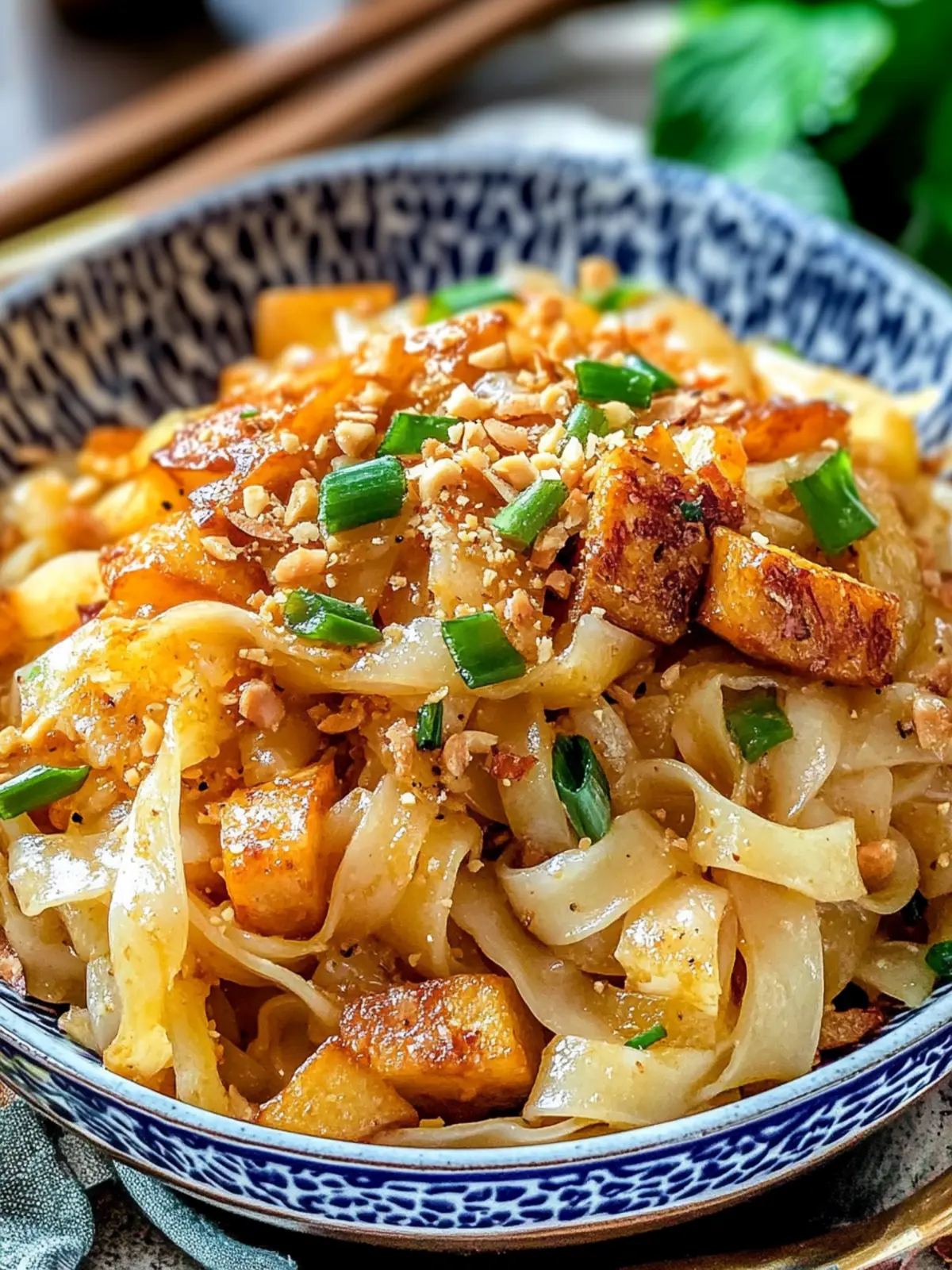
Serve Up: Serve your Thai Cry Baby Noodles immediately, garnished with chopped green onions for a fresh touch.
Optional: Drizzle with a little extra chili oil for an added kick!
Exact quantities are listed in the recipe card below.
Expert Tips for Thai Cry Baby Noodles
-
Press the Tofu: Ensure the extra-firm tofu is pressed well to remove excess moisture; this helps achieve better browning and texture in your dish.
-
High Heat Cooking: Stir-frying should be done over high heat to prevent the noodles from becoming soggy; this technique keeps everything vibrant and flavorful.
-
Add Proteins Last: To maintain the texture of your proteins and veggies, add them towards the end of cooking; this way, they stay tender and tasty in your Thai Cry Baby Noodles recipe.
-
Choose Fresh Noodles: Opt for fresh rice noodles for the best texture; if using dried noodles, remember to adjust cooking times and soak them ahead of time.
-
Taste and Adjust: Before serving, taste your noodles and adjust seasonings to your preference; a little more soy or oyster sauce can deepen the umami flavors even further!
What to Serve with Thai Cry Baby Noodles?
Elevate your mealtime experience with delightful accompaniments that will complement the bold flavors of this enthralling dish.
- Thai Iced Tea: A refreshing drink that balances the spiciness of the noodles with its creamy sweetness. Sip this vibrant beverage and enjoy its aromatic notes, which also tie into the Thai culinary experience.
- Cucumber Salad: A crisp, cool salad featuring thinly sliced cucumbers tossed in a tangy vinaigrette. This adds a refreshing crunch that enhances the overall meal with its lightness. Perfect for cleansing the palate between flavorful bites!
- Spring Rolls: These delicate, fresh rolls filled with bright vegetables and herbs offer a delightful texture contrast. Dip them in a sweet chili sauce for an extra layer of flavor that plays nicely with your noodles.
- Grilled Shrimp Skewers: Skewers marinated in a zesty sauce bring an incredible smokiness to the table. Their juicy texture and bright flavors make them a perfect protein complement to the chewy noodles.
- Peanut Sauce: This rich, nutty sauce adds a creamy depth to your meal. Drizzle it over the noodles or serve it alongside for dipping, tying in beautifully with the umami notes already present.
- Mango Sticky Rice: Treat yourself to dessert with this sweet classic. The creamy coconut-infused rice paired with ripe mango offers a luscious finish, wrapping up your Thai meal beautifully.
- Beer or Light Cocktails: Pair your noodles with a light beer or tropical cocktails, like a Mai Tai. The refreshing fizz or fruity flavors will balance the dish’s spiciness while enhancing the experience.
Make Ahead Options
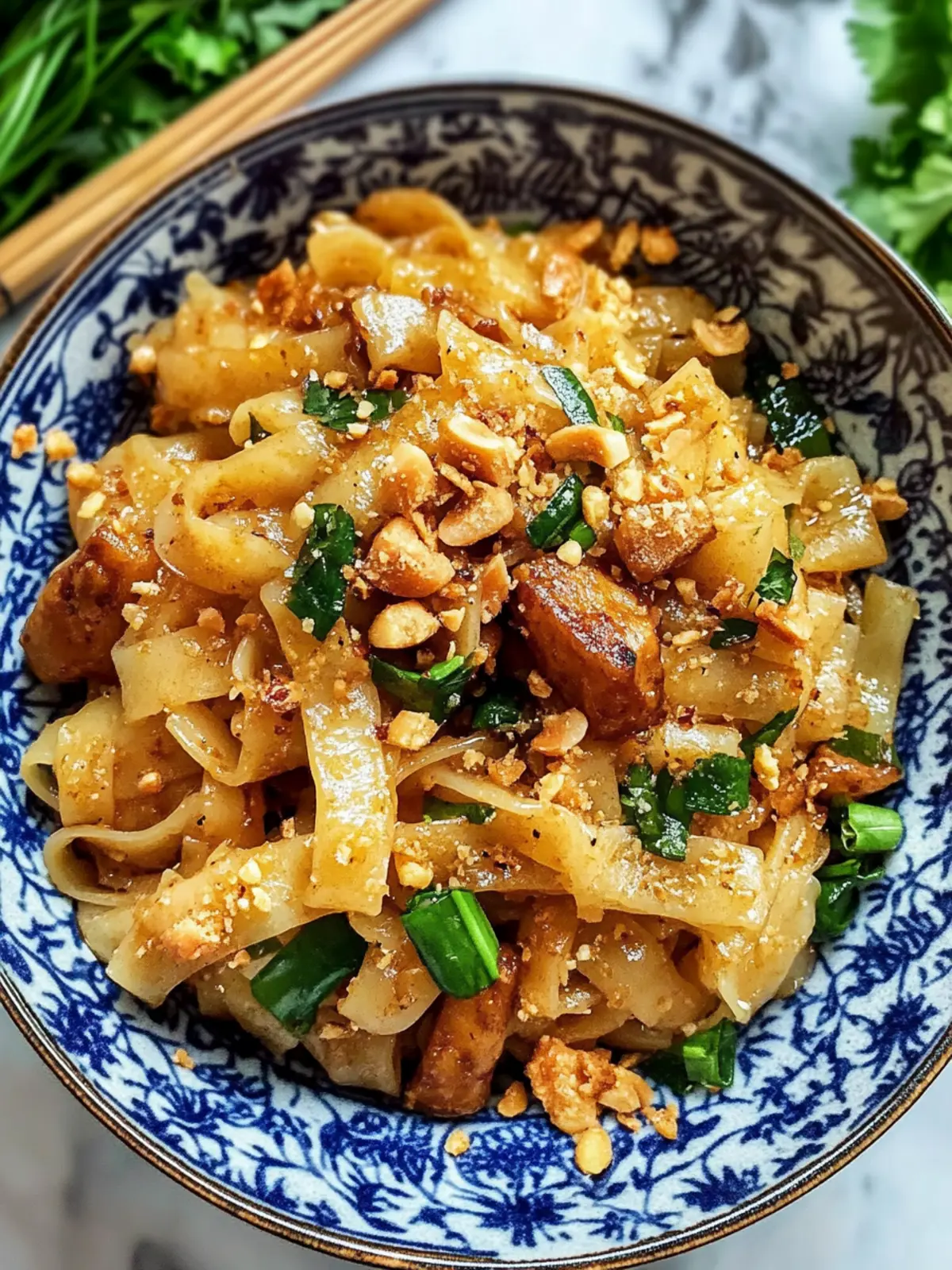
These Thai Cry Baby Noodles (Pad Ngor Ngae) are perfect for meal prep enthusiasts! You can dice the tofu and chop the vegetables up to 24 hours in advance, storing them in an airtight container in the refrigerator to keep them fresh. The sauces can also be mixed and refrigerated for the same amount of time, ensuring all the flavors meld together. When you’re ready to enjoy your delicious noodles, simply heat a bit of oil in the wok, add your prepped ingredients, stir-fry until warm, toss in the rice noodles, scramble the eggs, and finish with any garnishes. This way, you’ll have a vibrant and satisfying meal ready in minutes, just like a cozy Thai restaurant experience at home!
Storage Tips for Thai Cry Baby Noodles Recipe
Fridge: Store your leftover Thai Cry Baby Noodles in an airtight container in the fridge for up to 2 days. This will help retain their flavors and prevent drying out.
Freezer: For long-term storage, freeze the noodles in a freezer-safe container for up to 1 month. When ready to eat, thaw them in the fridge overnight before reheating.
Reheating: Reheat thoroughly in a pan over medium heat, adding a splash of water or extra oil to restore moisture and prevent sticking. Enjoy as if they were freshly made!
Thai Cry Baby Noodles Variations
Feel free to make this recipe your own by adding different proteins and flavors that excite your taste buds!
-
Protein Swap: Replace tofu with chicken or shrimp for a different protein profile. The variations in texture will add new dimensions to your dish!
-
Veggie Boost: Incorporate vibrant stir-fried vegetables like bell peppers, snap peas, or carrots for a healthy dose of color and nutrition. It’s a great way to sneak in some greens!
-
Seafood Delight: Add scallops or squid for a fun seafood twist that enhances the umami flavor. Their delicate textures meld beautifully with the rice noodles.
-
Spicy Kick: Elevate the heat by adding sliced fresh chilies or a dash of sriracha. A little spice goes a long way toward lighting up your palate!
-
Gluten-Free Option: Use gluten-free rice noodles to accommodate dietary preferences while still enjoying all the rich flavors of this dish.
-
Mushroom Medley: Swap out dried shrimp for shiitake or button mushrooms for a plant-based umami boost. Their richness complements the overall flavor wonderfully!
-
Fresh Herbs: Top with fresh basil or cilantro to elevate the aroma. Their freshness can brighten every bite, creating a lovely contrast to the savory notes.
-
Noodle Variety: Try using udon or soba noodles for a different texture experience. They’ll soak up the flavors beautifully while providing something uniquely satisfying!
Thai Cry Baby Noodles Recipe FAQs
What kind of noodles should I use for Thai Cry Baby Noodles?
For this Thai Cry Baby Noodles recipe, I recommend using fresh rice noodles for their soft, chewy texture. If fresh noodles are unavailable, you can use dried rice noodles, but be sure to soak them in hot water for 20-30 minutes before use to ensure they cook properly.
How should I store leftovers of Thai Cry Baby Noodles?
Store any leftovers in an airtight container in the fridge for up to 2 days. When you’re ready to enjoy them again, simply reheat in a pan over medium heat, adding a splash of water or oil to keep the noodles moist. This method helps maintain the dish’s delicious flavors.
Can I freeze Thai Cry Baby Noodles?
Absolutely! To freeze your noodles, let them cool completely and then transfer them to a freezer-safe container. They can be stored in the freezer for up to 1 month. When you’re ready for some, thaw them in the fridge overnight, and reheat in a pan as mentioned earlier.
What should I do if my noodles are too soggy?
If your noodles turn out soggy, it might be due to overcooking during stir-frying. To rescue them, try reheating in a hot pan on high heat. Adding a bit of cooking oil and keeping the heat high will help evaporate excess moisture and revive that essential chewiness.
Is the Thai Cry Baby Noodles recipe suitable for special diets?
Yes! This recipe is quite flexible. For vegetarians, simply use tofu instead of meat, and you can even skip the eggs or use a tofu scramble as a vegan alternative. If you have allergies, be cautious with ingredients like soybean paste or sauces that may contain gluten, and opt for gluten-free options where necessary.
Can I add other vegetables or proteins to this dish?
Very! I often add colorful veggies like bell peppers, snap peas, or carrots for extra nutrition and flavor. You can also customize the protein by using chicken or shrimp, depending on your preference, making this dish a wonderful canvas for your culinary creativity!
Savor Thai Cry Baby Noodles Recipe (Pad Ngor Ngae) in 30 Minutes
Ingredients
Equipment
Method
- In a wok, warm 2 tablespoons of chili oil over medium heat. Add 2 minced garlic cloves and 1 sliced onion, sautéing until golden brown.
- Add 1 cup of diced extra-firm tofu, ¼ cup of dried mini shrimp, and 1 sliced Chinese sausage. Stir-fry for about 5 minutes until lightly browned.
- Pour in 3 tablespoons of oyster sauce, 1 tablespoon of fermented soybean paste, and 1 tablespoon of oxo sauce. Stir thoroughly.
- Gently toss in 8 ounces of fresh rice noodles. Mix until heated through, about 2-3 minutes.
- Create space in the wok for 2 beaten eggs. Scramble them until just set, then combine with the noodle mixture.
- Serve immediately, garnished with chopped green onions. Drizzle with extra chili oil if desired.